
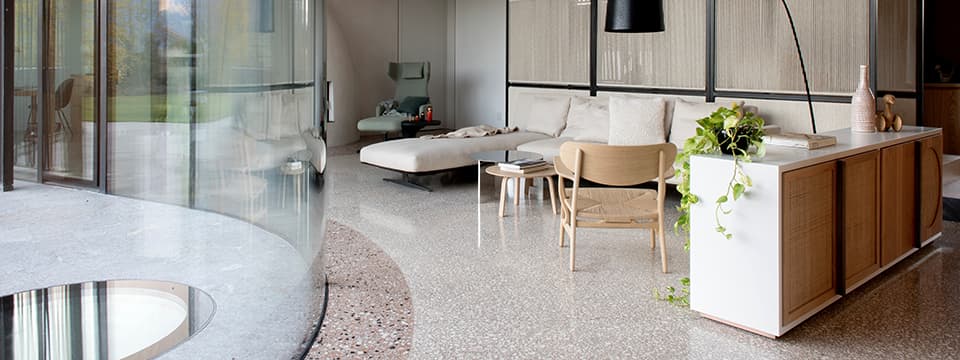
1. Understanding Terrazzo and Marble Flooring
Terrazzo flooring is a composite material made by embedding stone chips such as marble, quartz, or glass into a binder and polishing the surface to a smooth finish. It originated in Italy and has become a popular choice for modern architecture because of its durability and design flexibility.
Key characteristics of terrazzo flooring
Made from marble chips, quartz, granite, or recycled glass
Available in cement-based or epoxy-based systems
Highly customizable in chip size, color, and pattern
Often installed as large seamless surfaces
Terrazzo is widely used in airports, hotels, commercial buildings, and modern homes because it balances decorative aesthetics with long-term performance.
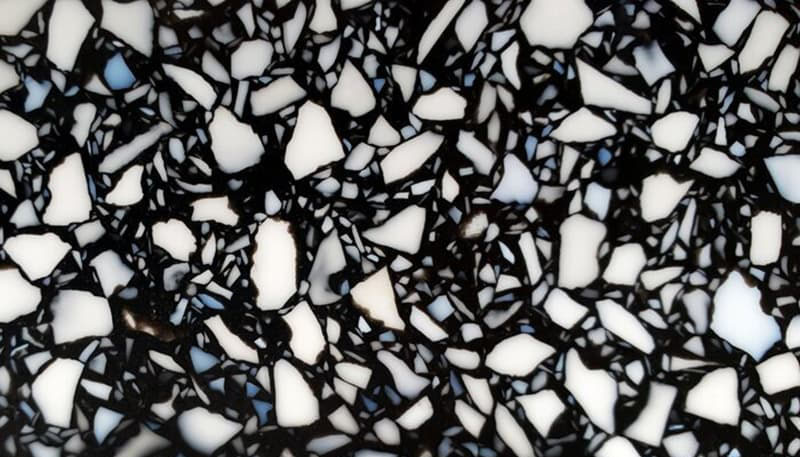
Marble flooring, on the other hand, is a natural stone surface cut directly from marble blocks. Known for its luxurious appearance and natural veining, marble has been used in architecture for centuries.
Key characteristics of marble flooring
A natural stone material with unique veining patterns
Associated with luxury interiors and classical architecture
Available in various colors such as white, grey, beige, and black
Typically installed as stone tiles or slabs
Marble is commonly used in high-end residential interiors, hotels, and decorative spaces where elegance and natural beauty are a priority.
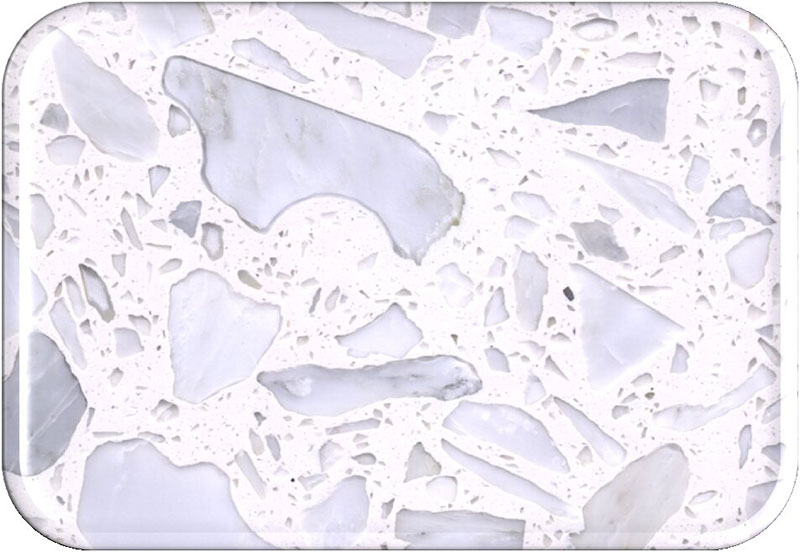
2. Durability and Maintenance
When comparing durability, terrazzo generally performs better in high-traffic environments.
Why terrazzo is known for durability
Extremely resistant to wear and heavy foot traffic
Long lifespan, often 50 years or more
Seamless installation reduces cracking risks
Requires relatively simple cleaning and maintenance
Because of these advantages, terrazzo is frequently used in public buildings, airports, shopping malls, and offices.

Marble flooring, while visually stunning, requires more careful maintenance.
Maintenance considerations for marble
Softer than many engineered surfaces
Can be susceptible to scratches and etching
Requires sealing to prevent staining
Needs regular care to maintain its polished appearance
For this reason, marble is often preferred in low to moderate traffic areas rather than heavily used commercial spaces.

3. Design Flexibility and Aesthetic Options
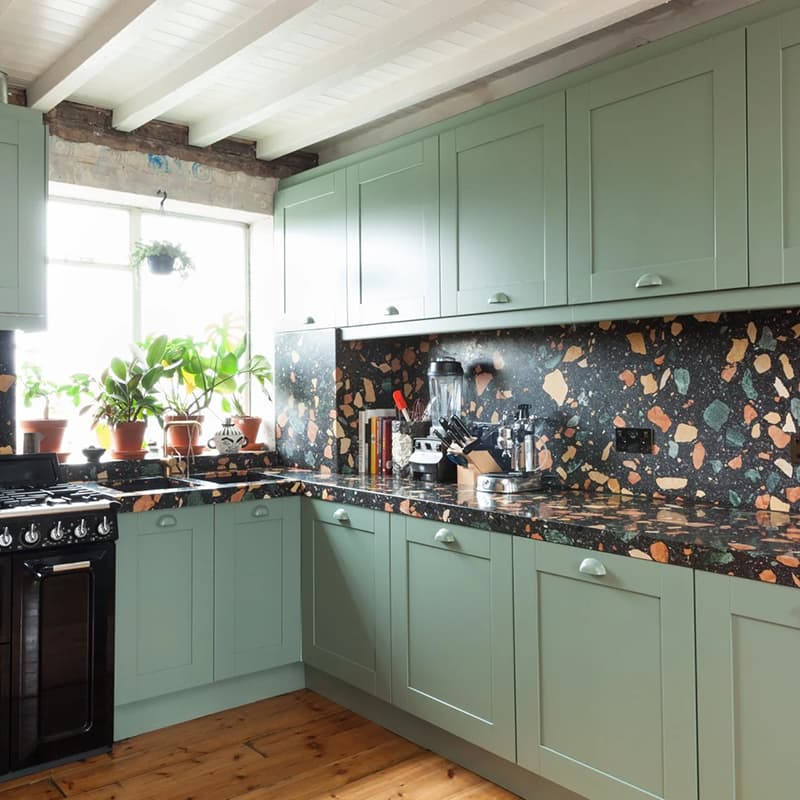
Terrazzo offers exceptional design flexibility, which is one reason it has become increasingly popular in modern interiors.
Design advantages of terrazzo
Wide range of chip sizes and aggregate materials
Customizable colors and patterns
Ability to create large seamless surfaces
Suitable for floors, walls, countertops, and furniture
These features allow architects to create bold and contemporary design statements that are difficult to achieve with natural stone alone.
Marble, however, remains unmatched in terms of natural elegance.
Design advantages of marble
Unique natural veining patterns
Timeless luxury appearance
Strong association with classical and premium interiors
Wide variety of famous marble types
Because each marble slab is unique, it offers a one-of-a-kind natural aesthetic that cannot be perfectly replicated.

4. Applications in Modern Spaces
Terrazzo has become a favorite material in modern architecture because it combines durability with creative design potential.
Common terrazzo applications
Large commercial flooring areas
Retail stores and shopping malls
Hotel lobbies and offices
Kitchen countertops and bathroom surfaces
Its ability to create custom patterns and seamless surfaces makes terrazzo ideal for contemporary design.

Marble is still widely used in luxury interiors where aesthetics play a central role.
Common marble flooring applications
Luxury residential living rooms
Hotel and villa interiors
Decorative entry halls
Bathrooms and feature spaces
In these environments, marble provides a refined and sophisticated atmosphere that reflects traditional craftsmanship.

Conclusion
Both terrazzo and marble flooring offer unique advantages for modern interiors. Terrazzo stands out for its durability, sustainability, and design flexibility, making it ideal for high-traffic spaces and contemporary architecture. Marble, on the other hand, remains a symbol of luxury and natural beauty, often chosen for elegant residential interiors. The best choice ultimately depends on the project’s design goals, maintenance expectations, and functional requirements.