The forming reason for limestone
Limestone, also known as lime stone, is a geological process that spans a long period of time. In ancient times, the ocean was the cradle of life, where numerous Marine creatures thrived and multiplied. When these creatures die, their remains gradually settle on the seabed. Over a long period of time, under high pressure and through complex geological processes, these sediments gradually accumulated and compacted, eventually forming limestone. Its main component, calcium carbonate, endows it with a unique texture and appearance.
The main charateristic for limestone
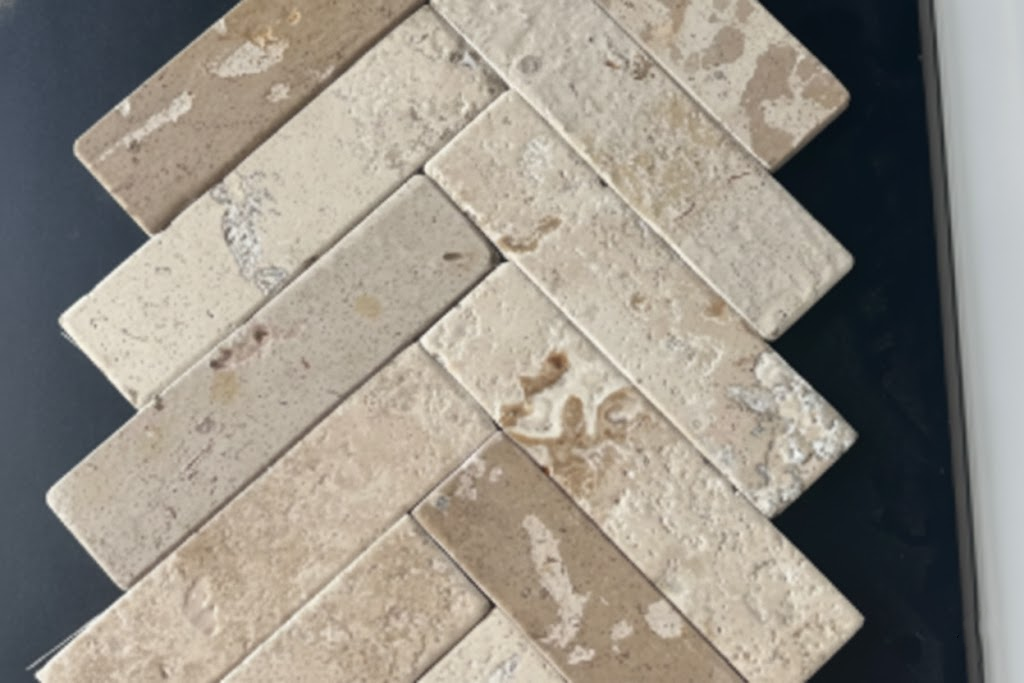
The appearance is natural and elegant: Limestone has soft and natural colors, such as beige, light yellow, and grayish white. These colors give people a warm and comfortable feeling, as if bringing the tranquility and harmony of nature into indoor and outdoor Spaces. Its surface texture is fine and unique. Some present ring-shaped textures similar to tree rings, while others are irregular block-shaped textures. These natural textures add a touch of simplicity and artistic sense to the limestone, giving each piece of stone a one-of-a-kind appearance.
Hard and durable in texture: Although limestone has a soft appearance, its texture is quite hard. Its hardness is sufficient to withstand daily wear and pressure. Whether used for floor paving or wall decoration, it can maintain a long service life. In some historic buildings, we can still see that the limestone, which has withstood the test of time, remains in perfect condition, which fully demonstrates its durability.
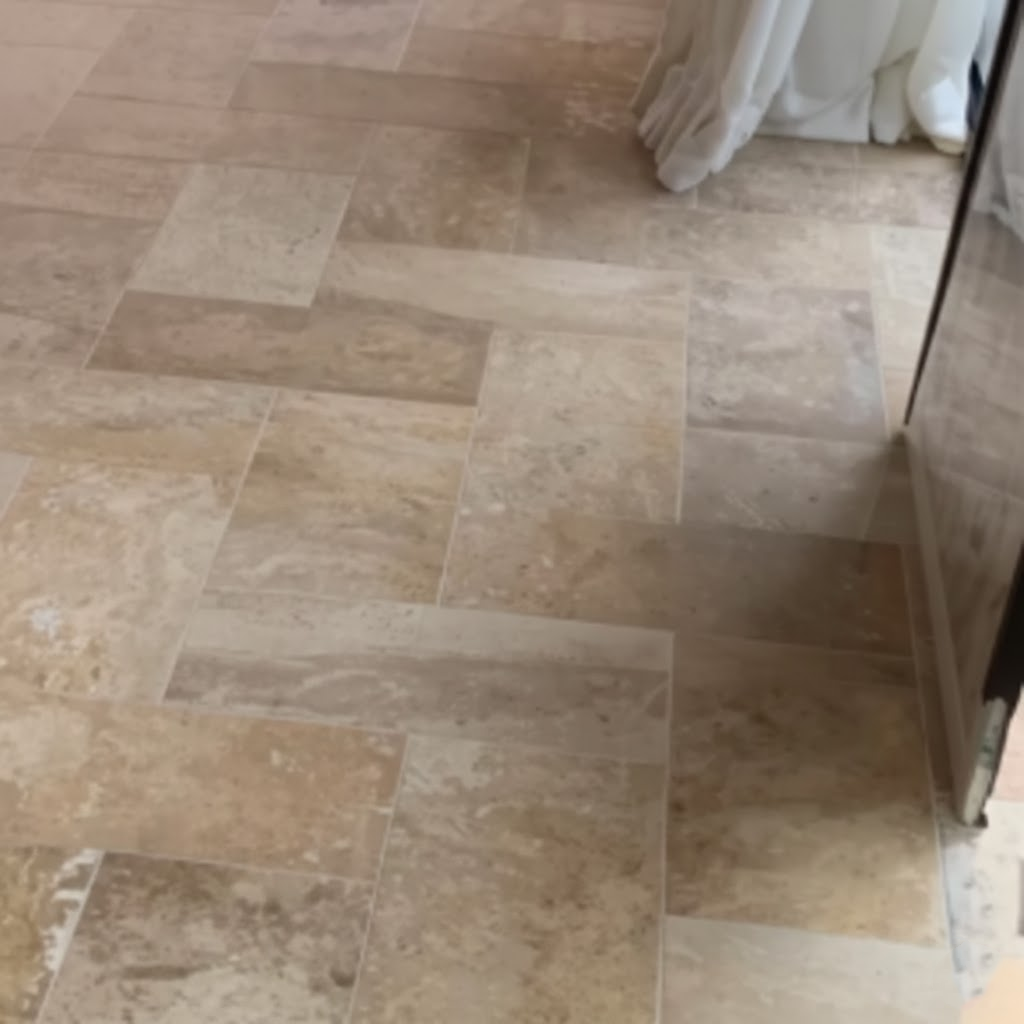
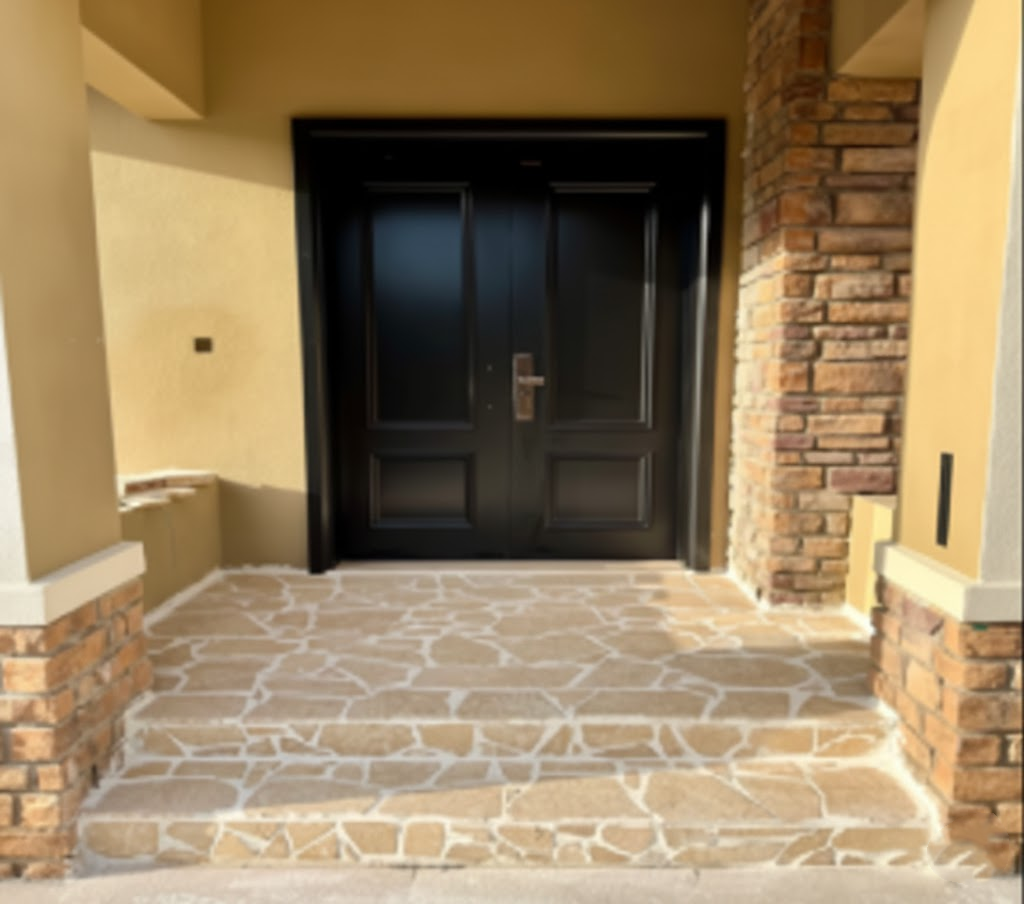
Good processing performance: Limestone has excellent processability and can be processed by cutting, grinding, engraving, etc. according to different design requirements. It can be made into various specifications of plates, lines, columns and other architectural decoration materials, and can also be carved into exquisite works of art. Its excellent processing performance enables designers to fully exert their creativity and apply limestone to various unique design schemes.
The main application for limestone
Limestone is often used for the decoration of building facades. Its natural color and texture can add a sense of solemnity and elegance to the building. Whether it is a modern minimalist style building or a European classical style building, lime stone can blend perfectly with them, enhancing the overall appearance of the building. For instance, some high-end hotels, commercial centers and villas often use lime stone as the exterior decoration material to create distinctive building facades.
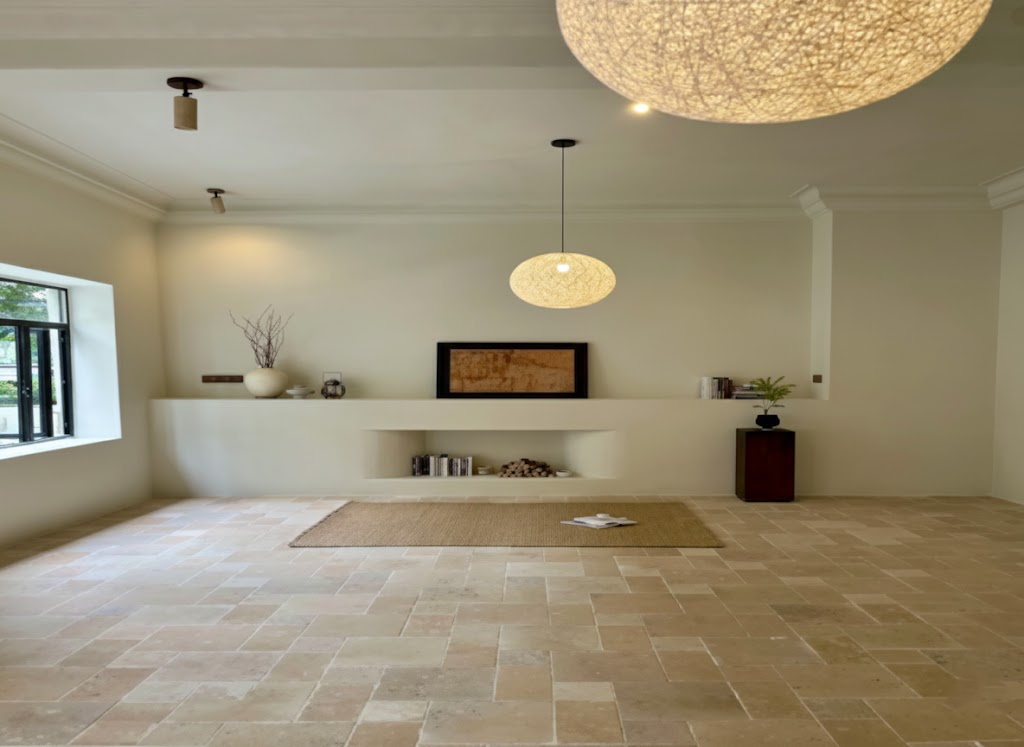
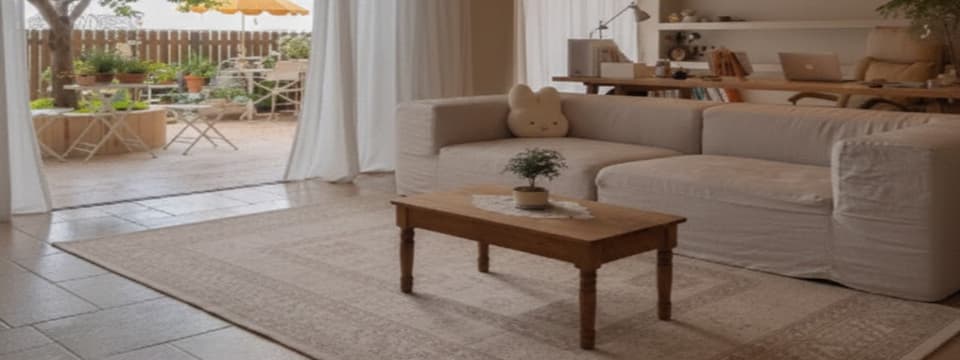
In interior decoration, lime stone is often used for floor paving in Spaces such as living rooms, bedrooms and corridors. Its soft color can create a warm and comfortable living atmosphere, while its hard texture can ensure the wear resistance and service life of the floor. In addition, limestone has good anti-slip performance, providing a guarantee for people's walking safety. The indoor floors of some high-end residences and commercial places are paved with lime stone, which not only enhances the grade of the space but also brings people a comfortable usage experience.
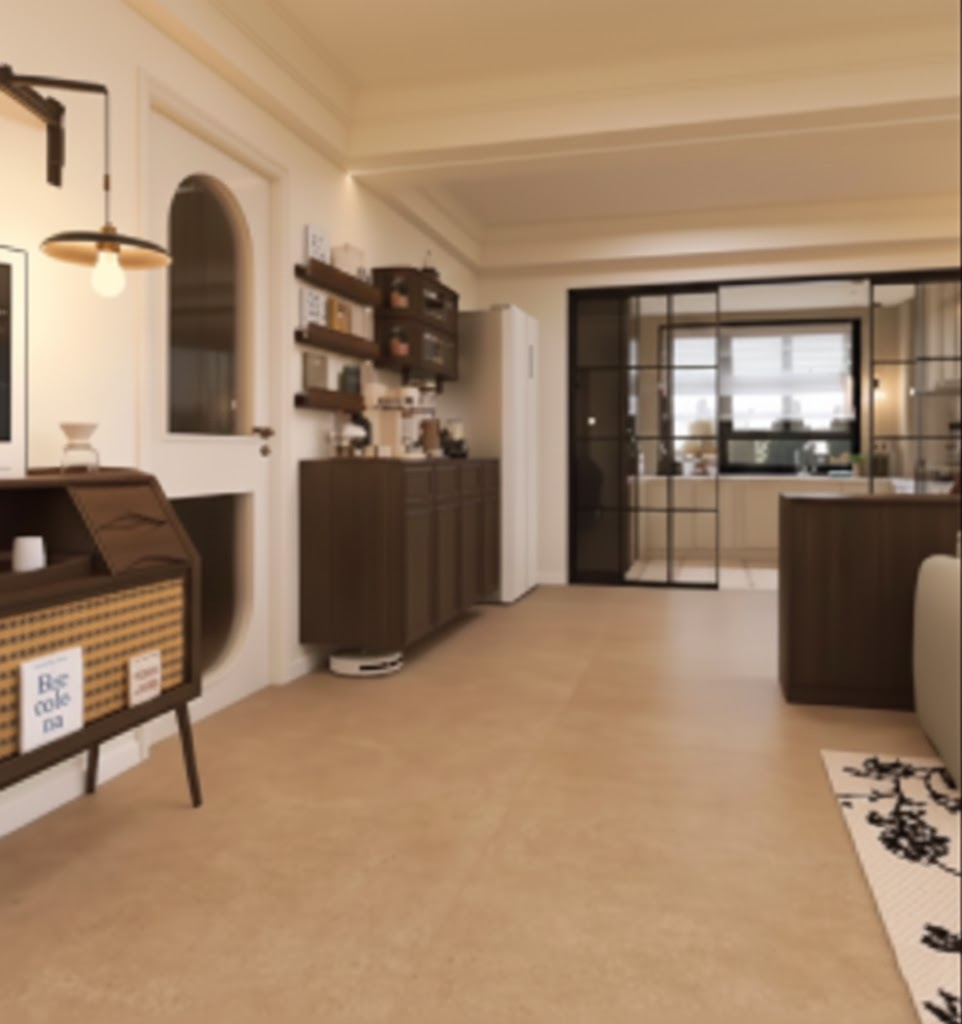
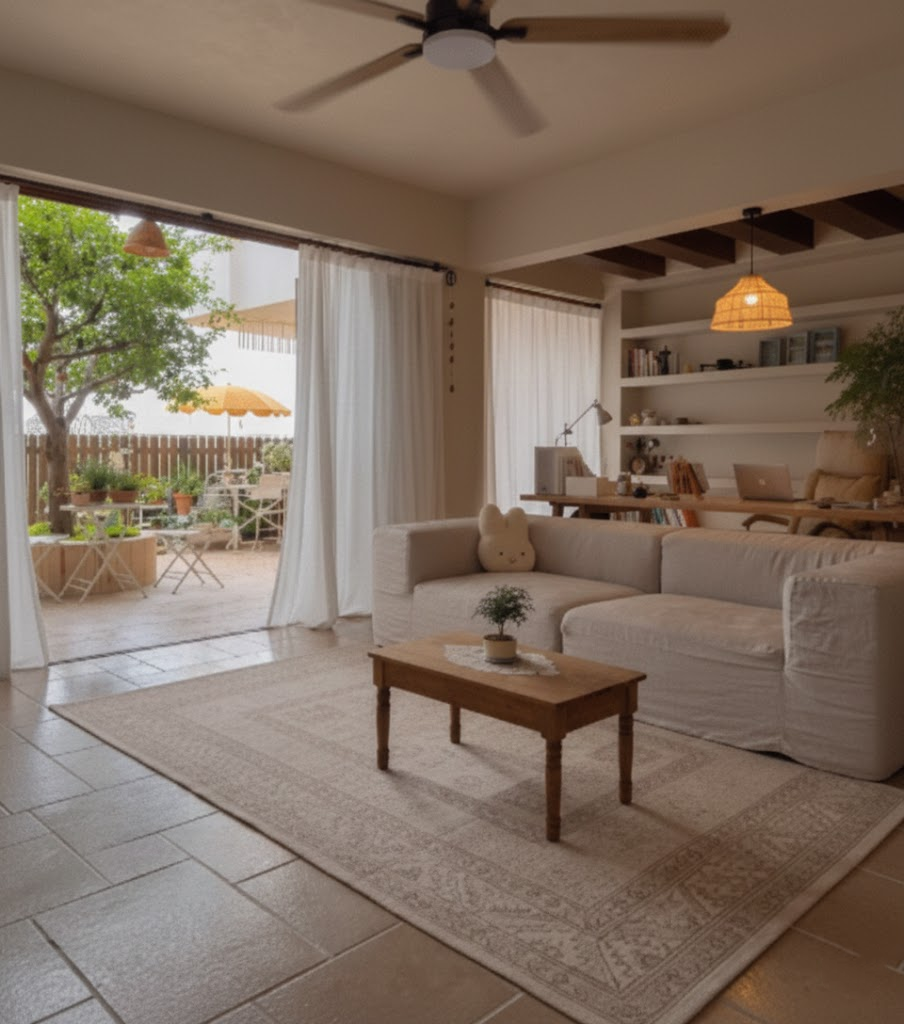
Limestone is also widely used in the decoration of interior walls, such as TV background walls, entrance hall walls, bathroom walls, etc. Its unique texture and feel can add an artistic atmosphere to the wall and become the visual focus of the space. Through various tiling methods and matching designs, lime stone can create a rich variety of wall effects, meeting the aesthetic needs of different consumers.
To maintain the luster and beauty of limestone, regular maintenance is necessary. Stone-specific protective agents can be used for treatment at regular intervals to form a protective film, preventing stains from penetrating and moisture from eroding. At the same time, lime stone should be waxed regularly to enhance its surface wear resistance and luster. Lime stone to the reasons for the formation of its unique and excellent characteristics, widely used and relatively simple maintenance method, become a bright star building decoration field. Whether it is to create high-quality architectural Spaces or to foster natural and harmonious garden landscapes, limestone can demonstrate its unique value, bringing people aesthetic enjoyment and a comfortable living experience. With people's pursuit of a high-quality life and their love for natural materials, the application prospects of limestone are bound to be even broader.