Strategic Discipline Learned from BYD
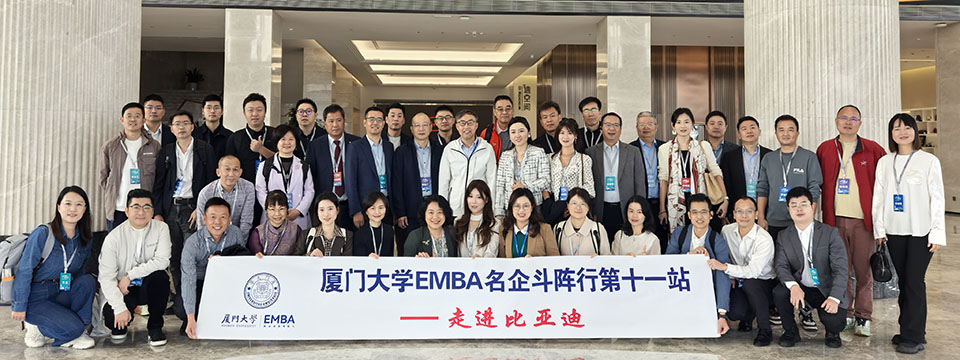
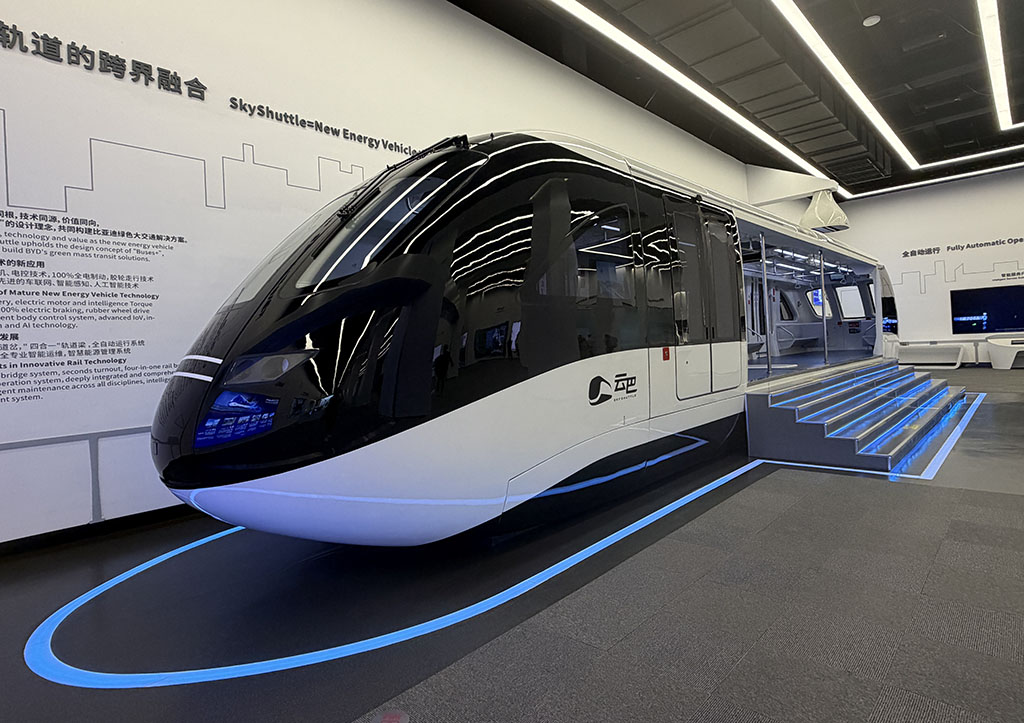
During the visit to BYD, including its premium brand Yangwang, Dawson Chi was particularly impressed by the company’s strategic discipline. By maintaining a long-term commitment to core technologies and execution capabilities, BYD has deliberately avoided the trap of short-term profit chasing. This consistent focus has enabled the company to build deep technical advantages and emerge as a global leader in the automotive industry.
The experience reinforced a critical principle: lasting competitiveness is built through patience, technological depth, and disciplined execution.

Technology Creating Long-Term Value at BGI Genomics
At BGI Genomics, the focus shifted from industrial innovation to life sciences. Through the application of genetic technology in disease prevention and public health, the visit demonstrated how scientific innovation can create value beyond immediate commercial outcomes, contributing to long-term social impact and human well-being.

Implications for Traditional Industries
Reflecting on the visits, Dawson Chi emphasized a shared realization: technological innovation is the primary driver of productivity, and technical capability forms the strongest competitive barrier for any industry.
For traditional industries, innovation does not always mean disruptive breakthroughs. In many cases, the greatest value lies in application-driven innovation — applying digitalization, automation, and intelligent systems to replace labor-intensive and inefficient production models.
By addressing challenges such as low efficiency, high energy consumption, and inconsistent quality, traditional manufacturing can achieve meaningful transformation through practical technological adoption.
Looking Ahead
At Yuanda Stone, these insights continue to influence how the company approaches the future of stone manufacturing. Dawson Chi believes that combining deep manufacturing experience with technology-enabled processes represents a realistic and sustainable path forward for traditional industries.
Innovation does not always require reinventing an industry — sometimes, it begins by rethinking how existing processes can work better.
We welcome diverse perspectives and open discussion on this topic.