
1. Focusing Only on Appearance
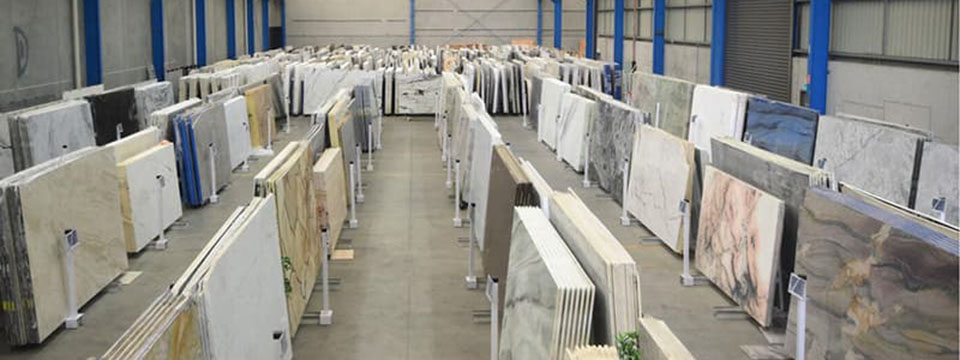
Many buyers choose natural stone slabs based only on color and pattern, but appearance alone can be misleading. Each slab is unique, and visual appeal does not always reflect quality or suitability for a specific application.
Common issues
Ignoring density and hardness differences
Overlooking veins, fissures, or weak spots
Choosing slabs that don’t match the intended use
What to do instead
Check technical properties (hardness, porosity, durability)
Inspect slabs under good lighting for hidden defects
Match the material to the application (e.g., kitchen vs wall)
2. Not Understanding Material Differences
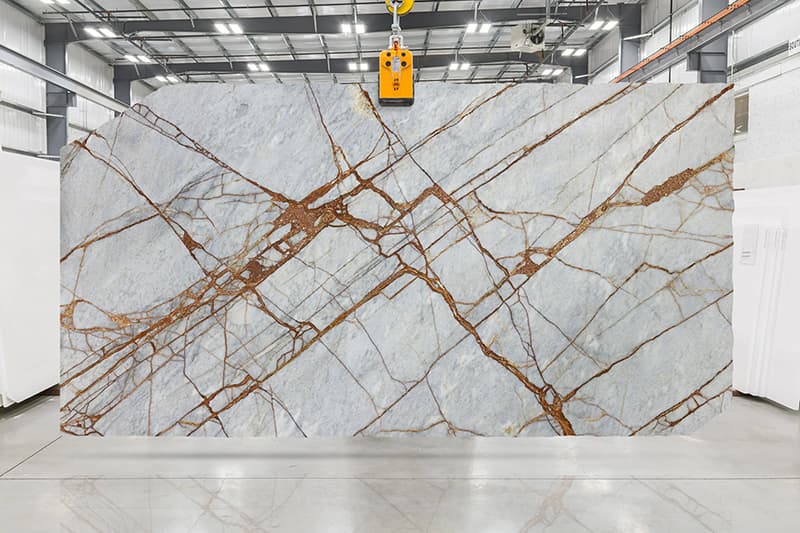
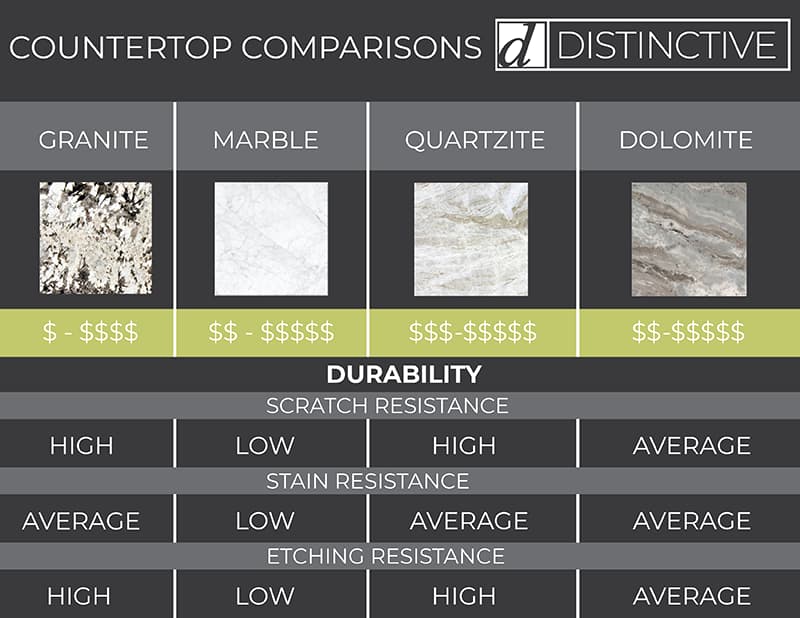
Not all natural stones perform the same. Confusing materials like marble, granite, and quartzite can lead to poor purchasing decisions.
Typical misunderstandings
Assuming all stones have similar durability
Using marble in high-traffic or high-acid areas
Misidentifying quartzite vs marble
How to avoid this mistake
Learn basic differences between marble, granite, and quartzite
Ask suppliers for material specifications
Choose stone based on performance, not just looks
3. Ignoring Slab Thickness and Size
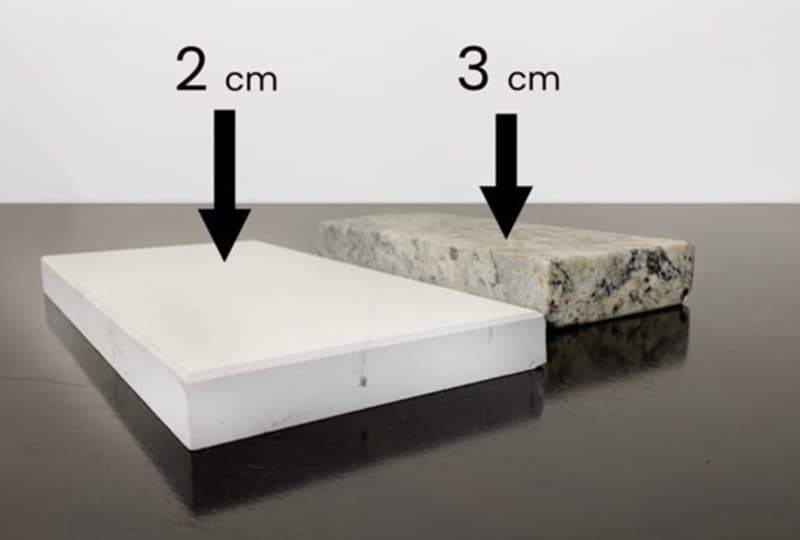
Slab thickness and size directly affect performance and installation. Choosing the wrong specifications can lead to cracking or structural issues.
Common mistakes
Selecting slabs that are too thin for countertops or flooring
Not considering transportation and installation limitations
Ignoring the need for additional support for large slabs
Best practices
Use 2cm or 3cm slabs depending on application
Plan for proper support structures and reinforcement
Confirm slab dimensions fit your project requirements
4. Overlooking Surface Finish and Maintenance
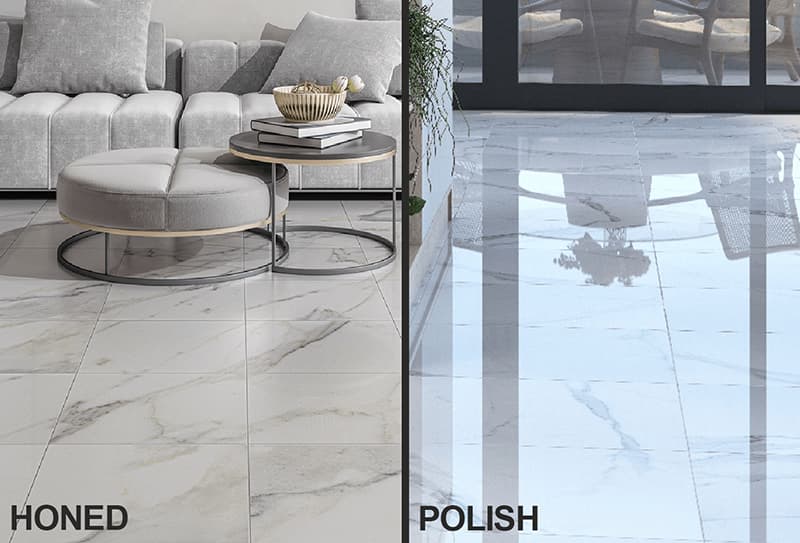
Surface finish impacts both appearance and maintenance. Many buyers focus on polished finishes without considering long-term care.
Common problems
Polished surfaces showing scratches and etching
Honed finishes being more prone to staining
Lack of understanding about sealing requirements
How to choose correctly
Select finish based on usage and maintenance expectations
Apply proper sealants when needed
Understand cleaning and care requirements before purchase
Conclusion
Buying natural stone slabs requires more than just choosing a beautiful surface. Mistakes such as focusing only on appearance, misunderstanding material differences, ignoring slab specifications, and overlooking maintenance can lead to costly problems. By evaluating both aesthetic and technical factors, you can select the right stone for your project and ensure long-term performance.